
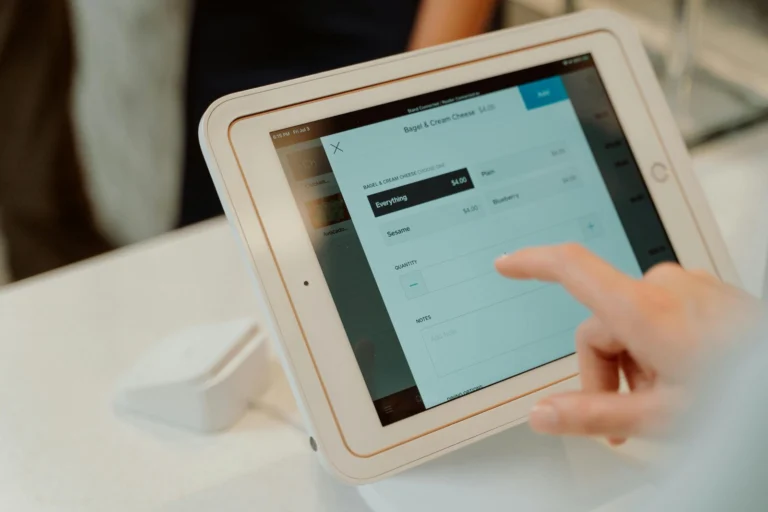
For restaurants, payment processing is part of service flow. A slow terminal, confusing permissions, or difficult closeout can affect guests, servers, managers, and accounting at the same time. That matters in Duluth, where local demand includes restaurants, international small businesses, professional services, retailers, and contractors serving a diverse Gwinnett County market. Our first conversation focuses on the business process: how payments are requested, accepted, recorded, refunded, and reconciled. The resulting pos systems for restaurants recommendation is built around those needs and the owner’s priorities.
Local Workflow Matters in Duluth
Duluth’s diverse commercial community includes restaurants, specialty retail, professional services, contractors, and businesses serving customers from many cultural and economic backgrounds across Gwinnett County. Local merchants may need flexible checkout options, clear communication, multilingual staff workflows, remote invoicing, or support for a mix of card-present and card-not-present sales. To organize restaurant checkout across service styles, we consider the physical payment point, peak periods, ticket size, staff movement, and the distance between the office and customer. A counter-focused setup may not fit a team covering Duluth and neighboring Gwinnett County markets. Local context matters because those operating conditions directly affect POS systems for restaurants, not through repeated location language.
Duluth is one of the most restaurant-dense cities in Gwinnett County, with the Buford Highway corridor housing hundreds of independently owned dining concepts representing Korean, Chinese, Vietnamese, Japanese, Mexican, and other international cuisines. Downtown Duluth’s revitalized Main Street has layered craft breweries, wine bars, and New American concepts on top of this rich dining landscape. Restaurant POS requirements in Duluth vary significantly by concept: high-volume Korean BBQ and hot pot restaurants along Pleasant Hill Road need systems that handle table-side ordering, split checks, and set-menu packages with add-ons; craft breweries like Good Word need tab management, pint club tracking, and TIPS compliance for Georgia’s alcohol service regulations; fine dining concepts need coursing and reservation integration. Gwinnett County issues food service permits through its Environmental Health division, and restaurants that accept card payments for catering events at off-premise locations must ensure their mobile POS setup meets Georgia’s temporary food service requirements. Georgia’s alcohol service regulations require staff who serve alcohol to complete responsible service training, which some POS systems can integrate into training management records. TWC Payments helps Duluth restaurants select and configure POS systems that match the specific operational model , not a standard setup that works only for a generic quick-service counter.
The Operational Need Behind the Search
We start with the payment moments creating the most friction for a Duluth business that needs a payment setup flexible enough for walk-in customers, repeat clients, and seasonal changes in volume. During this POS systems for restaurants review, we ask where customers pay, who handles refunds, how deposits are checked, and which steps staff complete manually. The result is a clearer view of the business issue, whether it centers on expense, tools, payment location, records, risk, or assistance. They also keep the recommendation tied to the page-specific priority that the POS should match how orders move, how tips are handled, and how managers review the day, rather than to a generic feature list. For more detail on available tools, see our payment solutions overview.
Turn Fees Into Comparable Numbers
A rate comparison should use the same business assumptions on both sides. We review a normal processing month, identify the fees attached to the current setup, and note operational costs that may sit outside the statement. The proposed structure is then evaluated using comparable volume and transaction behavior. This prevents an attractive quote from winning simply because it leaves out software, hardware, service, or card-not-present realities. In this case, the comparison is framed around the POS should match how orders move, how tips are handled, and how managers review the day. Businesses ready for a side-by-side review can request a custom payment review.
Design the Payment Path From the Ground Up
For full-service restaurants, quick-service counters, cafes, and takeout concepts in Duluth, the core objective is a restaurant POS aligned with order and payment flow so the business can organize restaurant checkout across service styles. Account approval and selected tools determine the configuration, but we routinely work through these functions:
- Map how orders move from guest to kitchen and payment
- Configure menus, modifiers, taxes, tips, and user roles as appropriate
- Support dine-in, counter, takeout, or event transactions
- Give managers clear closeout and reporting procedures
The final feature set depends on the approved account and selected technology. Our preference is a focused configuration the team understands, not a costly collection of unused add-ons. For full-service restaurants, quick-service counters, cafes, and takeout concepts in Duluth, the deciding standard is whether the setup supports the goal to organize restaurant checkout across service styles.
How We Plan the Transition
Our implementation begins by mapping the current workflow and identifying the specific reason for change. We then compare costs, confirm account requirements, match suitable technology, and coordinate setup. Staff training covers routine transactions and the exceptions most likely to occur. Once processing is live, 24/7 human support provides a direct path for questions instead of leaving the business to troubleshoot alone. For this Duluth project, we keep the sequence tied to the goal to organize restaurant checkout across service styles.meet our payment specialists
Human Support Is Part of the System
Our model is built around transparent, worry-free commerce. We provide an apples-to-apples review, recommend technology according to the business, assist with setup and staff training, and stay accessible after launch. We do not rely on a long contract or early termination fee to hold the relationship together. For a Duluth owner, that means a named relationship stands behind the system. We include next-day funding in our offering, although actual funding terms depend on the approved merchant account. The decision remains with the owner after the costs, responsibilities, and likely benefits are made understandable.why businesses choose TWC Payments
Useful Reading for a Better-Informed Decision
Independent information helps a business evaluate what a provider is saying. For this Duluth review of POS systems for restaurants, the following official and industry resources provide useful background on local operations, security, finance, or the payment channel itself:
- City of Duluth information
- S. Small Business Administration financial management guidance
- PCI Security Standards Council merchant guidance
- Federal Reserve information on payment services
TWC Payments also serves restaurants and food service businesses in nearby Georgia communities, including Dunwoody and Smyrna. For a complete overview of what we offer the restaurant industry, visit our restaurant payment solutions page.
Frequently Asked Questions
Q: Which restaurant workflows should be tested before launch?
A: We test the tasks that matter during service: opening and closing checks, tips, refunds, voids, permissions, receipt options, closeout, and manager review. The exact functions depend on the selected system. Staff should practice realistic scenarios before a busy shift so the new process is familiar when speed and accuracy matter most. During a Duluth review, we apply this guidance to the business’s real transaction flow rather than a hypothetical setup.
Q: Can one setup support counter service and table service?
A: That depends on the restaurant’s workflow and selected technology. We review where orders begin, where guests pay, how servers move, whether checks are split, and how tips are handled. The recommendation should fit the service model instead of forcing every restaurant into the same hardware arrangement or checkout sequence. The recommendation is then documented around the Duluth team’s roles, payment locations, and customer expectations.
Q: What should a Duluth restaurant compare beyond processing rates?
A: Restaurants should also examine equipment reliability, support access, user permissions, tip handling, refunds, reporting, funding expectations, setup assistance, and account terms. A low headline rate has limited value if the system slows service or employees cannot get help during operating hours. We compare the complete operating impact. We use the business’s own Duluth workflow to decide which details are essential before launch.